Man with a Van in Hampstead for practical home and business moves

Our man with a van in Hampstead service is set up for straightforward removals, furniture transport, collections and local deliveries that need careful handling rather than a full-scale lorry. We focus on moving items safely, loading them sensibly and keeping the process organised from first enquiry to drop-off. That makes it a useful option for customers who want a flexible removals service with clear pricing factors and room for a tailored approach.
If you need to move a few pieces between addresses, clear selected furniture, or arrange a small relocation, our work is built around the practical details that matter: access, item size, loading order and the route between stops. We can help with house moves, office items and single-item transport, and we keep the service broad enough to suit different kinds of jobs without promising anything unsupported. For a fuller view of the service range, see our removals page.
We aim to make the move feel manageable. You can request a quotation once you know what needs moving, and we will use the information provided to shape a sensible response. If the job involves multiple stops, awkward access or bulky furniture, it helps to be precise so the plan matches the actual work. For a simple starting point, our pricing and quotes page explains the kind of details that affect the estimate.
Home moves, furniture transport and local collections

Home removals often need more than just lifting and driving. A sofa, wardrobe, dining table or several boxed items may need protecting during loading, and the order of the load can affect how securely everything travels. Our service is aimed at the kind of jobs where a compact vehicle and a careful approach are a better fit than a one-size-fits-all solution. We work with the items as supplied and plan the transport around the load rather than forcing a fixed pattern.
For customers moving between flats, shared houses or smaller properties, the useful question is usually not whether the move is large or small, but whether the access and item list are compatible with a van-based removal. Stairs, narrow hallways, timed access and parking are all relevant to the planning. If you are preparing a move, a clear list of the larger items and the addresses involved will make it easier to organise the work. You can also use our home moves page to explore the domestic side of the service.
We also handle standalone furniture pick-ups and similar collection work where customers need a dependable way to move one or more items without arranging a full house removal. That might include a purchase from a private seller, a replacement piece for a room, or a few items going into storage or to another property. Where careful handling matters, our furniture pick-up service is a practical route. Tell us what is being moved, and we can help shape the job around that list.
Office removals and commercial transport

Business customers often need a removal service that is disciplined, discreet and organised around working hours, equipment and access to the building. Our commercial moving work is suitable for smaller office moves, item transfers and the transport of desks, chairs, files or boxed stock. It is often more efficient to move in defined stages than to treat the whole job as a single open-ended relocation. For that reason, we look at the items, the route and the handling needs together.
Offices usually involve a mixture of standard furniture and more delicate contents such as monitors, printers or archive boxes. The right approach depends on whether items can be stacked, whether they need protection, and how quickly they need to be loaded and unloaded. If you are planning a workplace move, our office removals page gives a clear route into the service, while commercial moves suits broader business transport needs where several different items or premises may be involved.
Helpful information for office and domestic quotations can be kept simple and specific:
- the collection and delivery postcodes or general areas
- a brief list of large or fragile items
- floor level, lift access and parking constraints
- whether there are multiple stops or a return load
Choosing the right removal service for your load

There are several ways to describe a removal job, and the right one depends on what needs moving. A single van trip, a household move, a furniture-only job or a general removals booking may all suit different circumstances. We keep the service flexible so customers can choose a route that matches the contents, timing and access involved. That approach is useful when the job is practical rather than elaborate, and when clear communication matters more than a long menu of extras.
Our related service pages are there to help you compare the options without guessing. The man and van page suits general transport needs, while man and van removals can be a better fit when the job combines lifting support with transport. If you need a broader overview of moving options, the movers page can help frame the service in more general terms. Each page points to a slightly different use of the same core capability: moving items safely and sensibly.
In practice, the best choice often comes down to access, volume and how much support the job requires. A carefully packed van may be ideal for a smaller flat move, while a more conventional removal booking may suit a home or business load with more items to organise. If you want to understand the pricing factors before making contact, the removal services page and our quotation pages offer a useful overview. When you are ready, request a quotation and we will work from the details you provide.
Preparing items, access and a sensible moving plan
Good preparation does not need to be complicated. A short inventory, a note about fragile items and a clear understanding of access can be enough to make the job run smoothly. If something is especially awkward, unusually heavy or difficult to dismantle, it is better to mention it early. That allows the move to be planned around the real conditions of the property rather than a guess. We treat that information as part of the moving plan, not as administrative noise.
It also helps to think about where the items are going once they leave the property. A move may involve a single delivery, a stop at storage, or a transfer between more than one address. When the route has several stages, the sequence matters because it affects loading and unloading. For supporting information about the way we approach different types of work, you can look at house removals if you are moving home, or removal company if you want a broader view of the service structure.
The aim is not to create extra paperwork, but to make sure the moving day is based on the real job. A few practical facts can prevent misunderstandings and help keep the transport efficient. If you need a simple collection or delivery rather than a full relocation, the same logic applies: describe the items, the access and the destination clearly, and the service can be matched to it. Clear instructions usually make for smoother loading and less wasted time.
About Hampstead
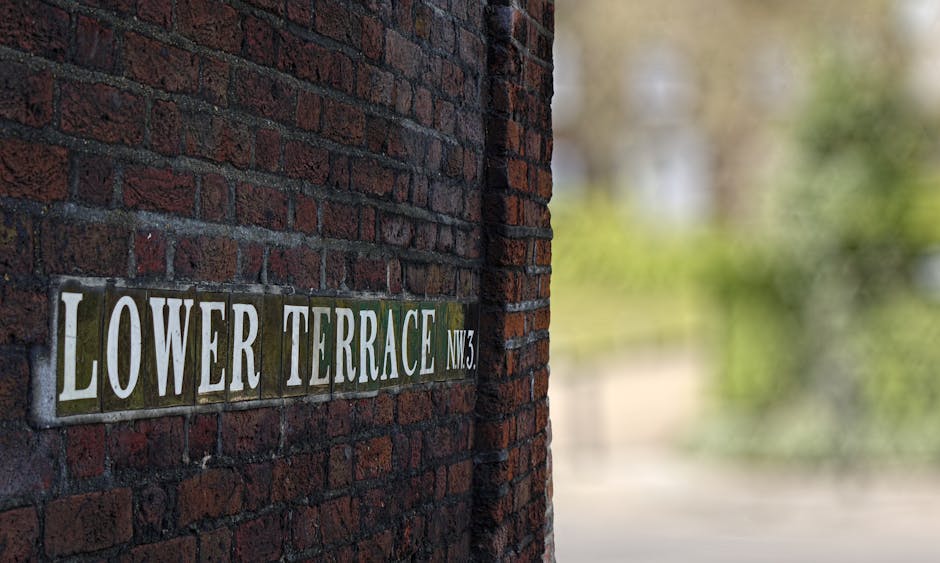
Hampstead is a district in north London best known for its high ground, distinctive village atmosphere and long association with writers, artists and public intellectuals. Hampstead Heath forms the area’s most recognisable open space: a large, hilly expanse of grassland, woodland and ponds that gives the district much of its character and provides wide views across the city from Parliament Hill. The area’s streets rise and fall sharply, creating a varied landscape of terraces, mews and detached houses that differs from the flatter parts of inner London. Many of the buildings reflect the growth of Hampstead during the eighteenth and nineteenth centuries, when the district developed from a rural settlement and spa area into a fashionable suburb. Hampstead also has a notable concentration of cultural landmarks, including the Freud Museum in the former home of Sigmund Freud, Keats House associated with the poet John Keats, and the Everyman cinema, which has long been a local cultural anchor. The Burgh House complex and the surrounding conservation areas reflect the district’s emphasis on architectural preservation and local history. Heath Street, Flask Walk and the lanes around Hampstead village contribute to a compact centre with independent shops, cafés and public houses that reinforce its distinct identity. The Underground station, on the Northern line, connects the area to the wider city while the hilltop setting and relatively green surroundings make it feel separate from the busier commercial districts nearby. Hampstead Heath ponds, the mixed residential streets and the strong presence of heritage buildings together give the area a layered urban landscape that combines everyday life with a sense of long-established place.
House moves and removals for different property types
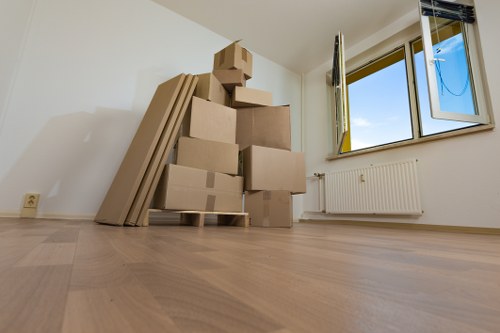
Some moves are best understood as household removals even when the volume is modest. A flat, a maisonette or a small family home can still involve bulky furniture, boxed belongings and a need for orderly loading. We offer a removal service that can be adapted to the property and the contents, which is useful when you do not need a huge vehicle but do need proper care. The important point is to match the transport to the move, not the other way around.
For larger domestic jobs or moves with more varied contents, it may be useful to look at the broader family of pages that describe the same kind of work from different angles. Our house movers page speaks to domestic relocations in general, while house removalists is another route into the same household moving service. Where the contents and travel plan are more complex, the wider house removals page remains the clearest starting point for a quotation request.
Domestic removals work best when expectations are clear from the outset. Knowing whether there are stairs, parking issues, narrow doorways or items that need extra care allows the transport to be planned properly. Contact us with the item list and route details if you want a quote that reflects the actual work rather than a rough assumption. For straightforward guidance on what can influence the estimate, the pricing and quotes page is a useful next step.
Security, handling and moving support
Safe handling is part of the service, not an optional extra. Furniture and boxed items need to be loaded in a way that reduces movement in transit and protects the contents from avoidable knocks. That means thinking about weight, shape and fragility together. Heavy items may need to go in first, delicate items may need to be separated from harder edges, and loose contents may need to be secured before transport begins. We build the moving plan around these basic handling principles.
For some customers, the main concern is not the distance but the condition of the items. A transport job might involve a single antique chair, a set of office electronics, or a mixture of household objects that need a careful lift. The service is therefore practical rather than decorative: it is about getting the load from A to B intact. If you want to explore related support, our packing and unpacking services page covers the handling stage, while insurance and safety is useful for understanding the general approach to risk and care.
Not every move needs the same level of preparation, but every move benefits from clarity. If items are especially valuable or unusually shaped, it is better to state that early so the handling can be discussed sensibly. Use the quotation route when you are ready, and include enough information for the service to be matched to the job. That way the estimate can reflect the real scope without unnecessary complication.
Pricing factors, recycling and responsible disposal
Removal prices usually depend on more than distance alone. The number of items, the amount of loading help needed, access at each end and whether there are multiple stops can all influence the overall cost. Jobs that involve awkward stairways or limited parking may take more planning than an easy ground-floor transfer, and that is often reflected in the quote. Clear details at the start make the estimate more useful and reduce the need for revisions later.
If a move also involves clearing out unwanted items, there may be opportunities to separate what is being kept, moved, recycled or disposed of. That is not the same as a waste service, but it is often part of the practical reality of a move. For customers who want to think ahead about what happens to items they no longer need, the recycling and sustainability page explains the general approach, while removal van is a useful page when the focus is simply on transport capacity and loading.
We keep the pricing conversation grounded in the facts of the job. There is no benefit in overstating the scope or underplaying the access issues, because accurate information helps both sides. If you are comparing options or deciding whether a van-based move is enough, the best approach is to list the contents and route clearly. Then you can request a quotation with confidence and choose the arrangement that suits the move.
Practical routes through the service
Different search terms often describe similar needs, which is why we keep the service pages easy to compare. Someone looking for a man with a van usually wants transport support with loading help, while a removals customer may be thinking about a more structured move. Our pages are organised to reflect those distinctions without turning the process into jargon. That makes it easier to select the right page for the type of work rather than forcing every job into the same description.
The collection of service pages also helps when the job is specialised but still straightforward. If the move is local and practical, the man with van page is a simple starting point. Where the transport element is more central, moving van and moving truck give a more vehicle-focused view, while removals van and removal van hire can help customers compare language used across different types of moving job. Each page supports the same basic aim: moving items safely and efficiently.
For the clearest result, choose the page that best matches your main need, then share the practical details of the job. Request a quotation when you are ready, and keep the information focused on what is actually being moved, where it is going and what access is like at each end. That gives the estimate a real basis and makes it easier to proceed.