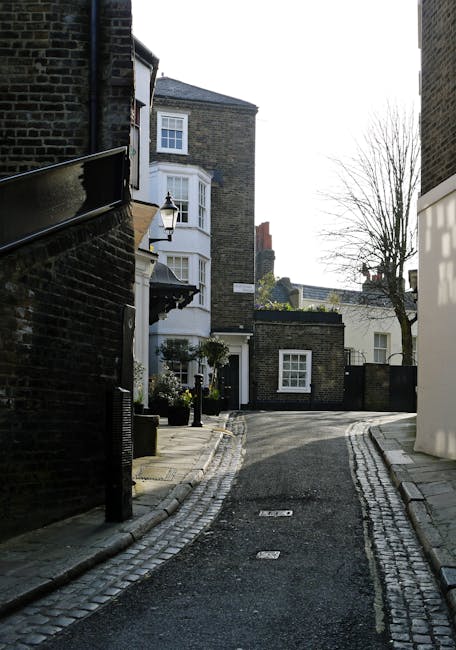
Booking mistakes to avoid with Hampstead man with a van
Booking a removal service sounds simple enough, doesn't it? You ring up, ask for a van, pick a time, and hope the day goes smoothly. But in real life, a small booking mistake can turn a straightforward Hampstead move into a scramble of missing boxes, parking stress, and an awkward conversation about extra costs. If you are looking at Booking mistakes to avoid with Hampstead man with a van, this guide walks through the errors people make most often, why they matter, and how to avoid them without overcomplicating the process.
Hampstead has its own quirks too. Narrow roads, limited loading space, busy daytime traffic, and the usual London parking headaches can all affect how a move plays out. A little planning goes a long way. Truth be told, most problems are avoidable once you know what to ask, what to confirm, and what to put in writing.
Table of Contents
- Why Booking mistakes to avoid with Hampstead man with a van Matters
- How Booking mistakes to avoid with Hampstead man with a van Works
- Key Benefits and Practical Advantages
- Who This Is For and When It Makes Sense
- Step-by-Step Guidance
- Expert Tips for Better Results
- Common Mistakes to Avoid
- Tools, Resources and Recommendations
- Law, Compliance, Standards, or Best Practice
- Options, Methods, or Comparison Table
- Case Study or Real-World Example
- Practical Checklist
- Conclusion
- Frequently Asked Questions
Why Booking mistakes to avoid with Hampstead man with a van Matters
The booking stage is where the move is either made easier or quietly complicated. People often think the actual lifting is the hard part, but a bad booking can create problems before the van even arrives. Wrong vehicle size, vague timing, unclear access, and hidden assumptions about what is included can all lead to delay or extra cost.
That matters even more in Hampstead, where a short journey can still involve fiddly access, parking constraints, and tight schedules. If you underestimate how long it takes to load a flat on a steep street or over a busy pavement, you may end up paying for avoidable waiting time. No one enjoys that phone call on moving day.
There is also the trust side of it. A well-booked move tends to feel calm and professional. A poorly booked one feels rushed and uncertain, and you will notice the difference the moment the driver arrives and starts asking questions you should already have answered. It is not about being fussy; it is about being prepared.
Expert summary: The best bookings are not the fanciest ones. They are the clearest ones. If the mover understands what you need, where they are going, how much there is to move, and what access looks like, the day usually becomes much easier.
If you want to compare service details and the kind of support available, it can help to review pricing and quotes information before you commit. That step alone often prevents the most common misunderstandings.
How Booking mistakes to avoid with Hampstead man with a van Works
At a practical level, booking a man with a van usually means arranging a vehicle and an experienced mover to transport your items from one address to another. Sometimes it is a single item collection. Sometimes it is a flat move, a student move, or part of a larger house move. The exact scope matters a lot more than people expect.
A good booking process normally includes a few basics: what is being moved, the pickup and drop-off addresses, the access at both properties, the likely number of items or boxes, any stairs or lifts, and whether packing help is needed. You would think that is obvious, but missed details are common. One client says, "It's just a sofa and a few boxes," and then remembers the wardrobe, the mirror, the plant, the bike, and the four bags in the hallway. Classic.
For Hampstead jobs, timing and access should be checked carefully. A morning slot can be useful if roads are quieter, but only if you can actually get everything ready in time. A midday booking may suit some people better, yet parking may be harder. There is no one perfect answer, but there is always a better-fit answer if you think it through.
In a solid booking, the service provider should also explain any expectations around lifting assistance, waiting time, and how the job is priced. If anything is uncertain, ask before the booking is confirmed. That is the whole game, really.
Key Benefits and Practical Advantages
A careful booking gives you more than peace of mind. It often saves time, money, and a surprising amount of emotional energy. Moves are tiring enough without the added fun of last-minute corrections. Here are the main advantages:
- More accurate pricing: Clear details reduce the chance of extra charges for time, size, or access surprises.
- Better vehicle fit: Booking the right van size means fewer trips and less risk of items not fitting properly.
- Faster loading and unloading: When the mover knows what to expect, they can plan the right tools and approach.
- Less stress on the day: A tidy booking removes the need for repeated explanations while boxes are being carried downstairs.
- Improved safety: Planning for awkward furniture, fragile items, or heavy lifting helps reduce damage and injury risk.
There is also a less obvious benefit: good booking habits make it easier to compare providers fairly. If you ask the same clear questions to every company or independent mover, you can spot differences in service quality straight away. That is far more useful than just chasing the cheapest number on the page.
For movers who need a broader service, pages like man and van services and removal services can help you understand how the job might be structured. If you are moving a house rather than a few items, it may also be worth looking at house removals or home moves so expectations match the scale of the task.
Who This Is For and When It Makes Sense
This topic matters for more people than you might expect. If you are moving a one-bedroom flat, shifting furniture, or relocating a few office items, the same booking errors can still cause trouble. The service may be small, but the margin for confusion is just as real.
It is especially useful for:
- tenants moving in or out of Hampstead flats
- homeowners needing help with furniture transport
- students moving between rooms or shared houses
- small businesses relocating equipment or stock
- people buying or selling second-hand furniture
- anyone who needs short-notice transport but still wants control over cost and timing
It also makes sense if you are the sort of person who dislikes loose ends. Some people are happy to wing it. Fine, if that's your style. But if you want the day to feel orderly, booking carefully is not optional. It is the difference between "sorted" and "why is the wardrobe still on the pavement?"
For more complex moves, you may want to review office removals or commercial moves. Those jobs usually need even more detail in advance, because business disruption can become expensive very quickly.
Step-by-Step Guidance
If you want to avoid the most common booking mistakes, use a simple process. Nothing too fancy. Just enough structure to stop avoidable chaos creeping in.
- List everything that needs moving. Include boxes, furniture, loose items, and anything awkward like mirrors, lamps, or plants. Be honest, because "just a few bits" often turns into a van full.
- Check access at both addresses. Think about stairs, lifts, entry codes, road width, parking, and how far the van might need to stop from the door.
- Measure bulky items. A wardrobe that looks manageable in the hallway can suddenly feel very large in the van loading area. Measuring prevents that awkward reshuffle.
- Confirm the service level. Ask whether loading and unloading help is included, whether assembly/disassembly is available, and what happens if the move takes longer than expected.
- Request a clear quote. Make sure you understand whether pricing is hourly, fixed, or based on a mix of time and access factors. If it is vague, ask again.
- Choose a sensible slot. Match the booking time to your packing progress and the reality of London traffic. Early starts can be useful, but only if you are ready.
- Put the booking details in writing. Email or message confirmations are worth their weight in gold when memory gets fuzzy later.
- Prepare the property the day before. Clear hallways, label boxes, protect fragile items, and set aside parking permissions or building access instructions.
That may sound like a lot for a "small move". But honestly, the whole job becomes lighter once the details are settled. Even a 20-minute conversation upfront can prevent an hour of confusion later.
Expert Tips for Better Results
Here is where a little experience pays off. These are the kinds of small decisions that make a move smoother without adding much effort.
- Overestimate rather than underestimate. If you are torn between two vehicle sizes or time windows, lean toward the slightly safer option. Being too optimistic about space or timing is how people end up with a second trip.
- Flag awkward items early. Mention pianos, large mirrors, glass tables, long radiators, or anything fragile. The mover may need blankets, straps, or an extra pair of hands.
- Check the weather and the building layout. A wet staircase or a narrow communal entrance can slow everything down more than expected.
- Be specific about what stays and what goes. If there is furniture to leave behind or items going to storage, say so. Assumptions are expensive little things.
- Keep essentials separate. Put keys, phones, chargers, documents, and a kettle bag where you can reach them. You will thank yourself later, probably around 9pm when you are too tired to search for toothpaste.
One more thing. Don't be embarrassed to ask practical questions. How long will the quote remain valid? What happens if the driver arrives and cannot park outside? Is there a waiting-time policy? These are normal questions. Sensible, even.
If you want a broader look at moving support, movers and man with van pages can help you compare service types and decide what fits best.
Common Mistakes to Avoid
This is the heart of the article. Most problems with Hampstead man with a van bookings tend to come from the same few habits, and they are all avoidable if you spot them early.
1. Booking too late
Leaving it to the last minute often means fewer time slots, less choice, and a higher chance of rushing through the details. That is risky in a busy part of London. If your move date is fixed, book early enough to avoid a squeeze.
2. Giving only partial information
People often describe the move as if it is smaller than it is. Then the day arrives and there are extra boxes, a desk, a chest of drawers, and a bike to fit in. Be complete from the start. It is not over-sharing; it is accurate booking.
3. Ignoring access issues
One of the biggest mistakes is assuming access will be "fine". Fine for whom? For a person carrying a mattress down three flights of stairs and no lift? Not always. If there is narrow access, limited parking, or building restrictions, mention them.
4. Not checking what the quote includes
A low price can look attractive until you realise it excludes waiting time, extra lifting, or stairs. Ask exactly what is included. If a quote feels too vague, that is usually the clue.
5. Forgetting insurance and safety basics
For valuable or fragile items, ask how they will be handled. A reputable provider should be able to explain how items are secured and transported. If you want more detail on this side of things, the insurance and safety page is a useful place to start.
6. Assuming packing help is included
Some jobs need only transport. Others need wrapping, carrying, or unpacking support. If you need help with the awkward middle bit, check whether packing and unpacking services are available. Don't assume. That's the trap.
7. Forgetting building rules or parking arrangements
In Hampstead, this can make or break the schedule. If the van cannot stop close enough, loading takes longer. If there is restricted access, the whole move may need a different plan. Small detail, big effect.
8. Not reading the terms
Yes, the terms and conditions are often the least exciting thing on the planet. But they matter. Cancellation rules, payment timing, waiting charges, and damage responsibility should all be clear. A few minutes reading can prevent a messy dispute later.
9. Choosing only by price
Cheapest is not always best. A slightly higher quote may include clearer communication, better handling, and more reliable scheduling. The cheapest option can be excellent, but it should still make sense, not just look attractive in the moment.
10. Not confirming the booking properly
Sometimes the booking exists in someone's head, not in a written confirmation. That is where things go sideways. Confirm the date, time, addresses, contact details, items, and any access notes before the job day arrives.
Tools, Resources and Recommendations
You do not need a complicated toolkit to book well. A few simple things are enough to keep the move organised.
- A room-by-room inventory: A basic notes app or checklist helps you count items properly.
- Measuring tape: Useful for larger furniture and awkward gaps.
- Photos of bulky items: A quick picture can explain a lot faster than a long description.
- Parking or access notes: Building instructions, gate codes, lift restrictions, and loading points should be written down.
- Labelled boxes: Helps the mover place things in the right room without guesswork.
It is also sensible to review the company's useful policy pages before you book. The following can help you understand how the business handles admin and customer confidence: payment and security, terms and conditions, privacy policy, and about us. These are not glamorous pages, sure, but they tell you a lot about professionalism.
If you are comparing local options more broadly, removals near me and removal company pages may also help with decision-making. For some readers, that wider comparison is exactly what clears the fog.
Law, Compliance, Standards, or Best Practice
For most household bookings, this is less about heavy legal complexity and more about good practice. Still, there are a few things worth keeping in mind. A mover should operate responsibly, communicate clearly, and handle items safely. You should also be clear on your own responsibilities, especially around access, parking, and accurate descriptions of the job.
In UK moving work, it is normal to expect proper care with items, transparent pricing where possible, and clear booking terms. If your move involves business goods, you may need extra care around loading, item counts, and timing. For a commercial relocation, the planning standard is higher simply because disruption can affect more people.
Health and safety should never be treated as an afterthought. Heavy lifting, narrow stairwells, wet pavements, and sharp corners all create risk. A careful mover will manage those risks sensibly, but the booking still needs to reflect them. If you want to understand the approach in more detail, review the health and safety policy and insurance and safety information.
There is also a wider best-practice angle around honesty. If you understate the move to get a lower quote, everyone loses. The customer gets a stressful day, and the mover gets a badly scoped job. Better to be open from the start. Plain and simple.
Options, Methods, or Comparison Table
Not every move needs the same approach. Sometimes a man with a van is the right fit. Sometimes you need a larger removal setup. Here is a simple comparison to help you think it through.
| Option | Best for | Strengths | Watch-outs |
|---|---|---|---|
| Man with a van | Small to medium jobs, single items, flat moves | Flexible, often efficient, good for local transport | Can be too small if the inventory is underestimated |
| Man and van | General local moves with help carrying | Handy for loading and unloading, simple to arrange | Pricing and service scope can vary, so confirm details |
| Full removal service | Larger home or office moves | More capacity, more structured planning | May be more than you need for a smaller job |
In practice, the right choice depends on volume, access, time pressure, and whether you need extra help. If you are moving a few pieces of furniture, furniture pick up may be enough. If you are moving the contents of a property, then house movers or man and van removals might fit better.
Case Study or Real-World Example
A very typical Hampstead scenario goes like this. Someone is moving out of a top-floor flat on a Friday afternoon. The booking was made quickly, and the customer said it was "just a couple of large bits and some boxes". On the day, there is a sofa bed, two bookcases, a dining table, seven boxes, a mirror, and a bicycle. The road outside is tight, and the van cannot stay where expected. Mild panic enters the chat.
What would have prevented the issue? A clearer inventory, a check on parking, and a more honest conversation about access. Even a few extra minutes at booking stage would have changed the whole rhythm of the day. The move would still have been work, of course, but not the sort of work where everyone keeps glancing at the clock.
Another common example involves a small office relocation. The customer assumes all desks can be moved in one run, but they have not accounted for access times, lift sharing, or the fact that several items need disassembly. By the time the van is half full, the schedule has already slipped. Again, the mistake was not the lifting. It was the booking.
That is why careful preparation matters. A good booking makes the physical job feel smaller. And that is a lovely thing on moving day, especially if the weather is doing that grey, drizzly London thing it does so well.
Practical Checklist
Before you confirm your booking, run through this checklist. It is straightforward, but it catches the mistakes people most often miss.
- Have I listed every item that needs moving?
- Have I measured anything large, heavy, or awkward?
- Have I checked access at both addresses?
- Do I know whether stairs, lifts, or parking restrictions apply?
- Have I asked what is included in the price?
- Do I understand how waiting time or extra time is charged?
- Have I confirmed whether loading help is included?
- Do I need packing or unpacking support?
- Have I read the terms and conditions carefully?
- Have I received written confirmation of the booking?
- Have I made the mover aware of fragile or valuable items?
- Is my move date and time realistic for my packing progress?
If you can tick all of those off, you are already ahead of most people. That is not an exaggeration. Most moving stress comes from one of those boxes being left blank.
Conclusion
The real secret to avoiding booking mistakes with a Hampstead man with a van is not complicated at all: be specific, be honest, and confirm the practical details before the day arrives. Most problems start when people make assumptions about space, access, timing, or what is included. A clear booking removes a lot of that friction.
Think of it as preparing the move before the move. If the inventory is honest, the access is checked, the price is understood, and the booking is confirmed in writing, the whole experience becomes calmer and more efficient. Not glamorous, perhaps. But far better.
Get a free quote today and see how much you can save.
And if you are still weighing up the best option, take your time. A good move is rarely rushed, and a little patience here usually pays off on the day.
Frequently Asked Questions
What are the most common booking mistakes with a man with a van in Hampstead?
The most common mistakes are booking too late, giving incomplete item details, ignoring access problems, and not confirming what is included in the quote. Those four alone cause a lot of avoidable stress.
How far in advance should I book a Hampstead man with a van?
As early as you can, especially if you are moving on a weekend or at month-end. Even for small jobs, early booking gives you better choice and more time to prepare properly.
Should I choose the cheapest quote?
Not automatically. A cheaper quote can be fine, but only if the service scope is clear and the booking details match your move. Compare what is included, not just the price.
Do I need to tell the mover about stairs and parking?
Yes, absolutely. Access details can affect timing, vehicle positioning, and pricing. In Hampstead, that information is especially important because space can be tight.
What if I have more items than I first thought?
Tell the mover as soon as possible. It is much easier to adjust the plan before the day than during loading. Nobody enjoys discovering a second van-load halfway through the job.
Is a man with a van suitable for flat moves?
Yes, often it is. Small to medium flat moves are a very common fit, especially when the inventory is clear and the access is manageable.
What should be in my booking confirmation?
The date, time, addresses, a summary of the items, access notes, and the price or pricing method. If extra services are included, those should be confirmed too.
Should I ask about insurance?
Yes. It is sensible to ask how items are handled and what cover or procedures are in place. That is especially relevant for fragile, valuable, or bulky furniture.
Can I book a man with a van for office moves?
Yes, for smaller office jobs or partial relocations. For larger or more complex business moves, you may need a more structured office relocation service.
What if I need help packing too?
Ask whether packing and unpacking support is available before you book. If you leave it until moving day, you may find the schedule is already too tight.
How do I avoid hidden charges?
Ask about waiting time, stairs, parking issues, extra labour, and whether the quote is fixed or time-based. Clear questions now are much better than awkward surprises later.
Where can I find more information about the company before booking?
Useful pages to review include about us, terms and conditions, payment and security, and contact us. They help you understand how the service is run and what to expect.